
The historical journey of gambling from ancient rituals to modern casinos
The Origins of Gambling: Ancient Civilizations
The roots of gambling can be traced back to ancient civilizations, where it was often intertwined with religious practices and social customs. Archaeological findings suggest that games of chance, such as dice, were played in Mesopotamia around 3000 BC. These early forms of gambling served not only as entertainment but also played a role in decision-making, with players often casting lots to determine outcomes in significant life events, including warfare and trade. In today’s world, platforms like 11Winner casino offer a bonus at 11 Winner casino that mirrors the excitement of those ancient rituals.

In ancient Egypt, gambling was prevalent, as evidenced by the discovery of dice made from various materials, including ivory and wood. Pharaohs and commoners alike engaged in games that featured betting, signifying that gambling transcended social hierarchies. Additionally, artifacts revealing gambling practices also depict a deep-seated belief in fate and fortune, suggesting that these activities were a means to connect with the divine.
As cultures evolved, gambling adopted new forms and varied significantly across regions. In ancient China, for instance, the earliest recorded gambling game dates back to 2357 BC and involved betting on outcomes of competitions and events. These early iterations of gambling laid the foundation for many modern games and demonstrated the universal human desire for risk and reward.
The Evolution of Gambling in the Middle Ages
The Middle Ages marked a significant turning point in the history of gambling, as various forms began to emerge across Europe. With the rise of feudalism, nobles engaged in games of chance during tournaments and festivals, often wagering substantial amounts on the outcomes. This period saw the creation of card games, which quickly gained popularity, leading to the development of games like Poker and Rummy in the centuries to follow.
However, gambling during this era was not without controversy. The Church imposed restrictions on gambling, viewing it as a vice that could lead to moral decay. Despite these restrictions, underground gambling venues flourished, and illicit betting became a thriving practice among all social classes. This duality between acceptance and condemnation paved the way for the eventual establishment of regulated gambling establishments.
In the late medieval period, the establishment of gaming houses began to emerge in cities across Europe. These venues provided a controlled environment for gambling, where patrons could engage in games of chance legally. While they were often viewed with suspicion, these early gambling houses set the stage for the modern casino, combining leisure with the thrill of gambling in a social atmosphere.
The Birth of Modern Casinos in the 18th and 19th Centuries
The 18th century witnessed the formalization of casinos as we know them today, with the opening of the first recognized casino in Venice, Italy, in 1638. This establishment, known as the Ridotto, offered a controlled environment where players could enjoy games such as Faro and Basset. The concept of regulated gaming houses quickly spread across Europe, paving the way for the grand casinos that would later rise in popularity.
By the 19th century, the casino landscape evolved significantly, especially in cities like Monaco and Paris. The establishment of the Monte Carlo Casino in 1863 became a symbol of luxury and extravagance, attracting the elite from around the world. This era also saw the standardization of games, with the introduction of rules and regulations that ensured fairness and transparency for players.
Furthermore, the industrial revolution played a significant role in the expansion of gambling. As urban centers grew, so did the number of casinos, and the availability of leisure time meant more people could engage in gambling activities. This shift marked the transition from gambling as an aristocratic pastime to a mainstream form of entertainment, accessible to the broader public.
The Rise of Online Gambling and Technological Advancements
The advent of the internet in the late 20th century revolutionized the gambling landscape, paving the way for online casinos. The first online gambling site launched in 1994, allowing players to engage in various casino games from the comfort of their homes. This innovation drastically changed the accessibility of gambling, reaching a global audience that had previously been limited by physical location.
Online casinos rapidly evolved, incorporating advanced technology such as live dealer games and mobile applications. These developments enhanced user experience, allowing players to engage in real-time betting while interacting with live dealers via video streaming. The ability to gamble on mobile devices further transformed the industry, as players could now access their favorite games at any time and from any location.
Additionally, regulatory frameworks began to emerge to govern online gambling, ensuring player protection and fostering a secure betting environment. As a result, the online gambling sector has grown exponentially, with millions of players participating worldwide. This modern age of gambling has not only diversified the types of games available but also introduced various promotional offers, bonuses, and loyalty programs, making online casinos increasingly appealing.
Exploring the Experience at Modern Casinos
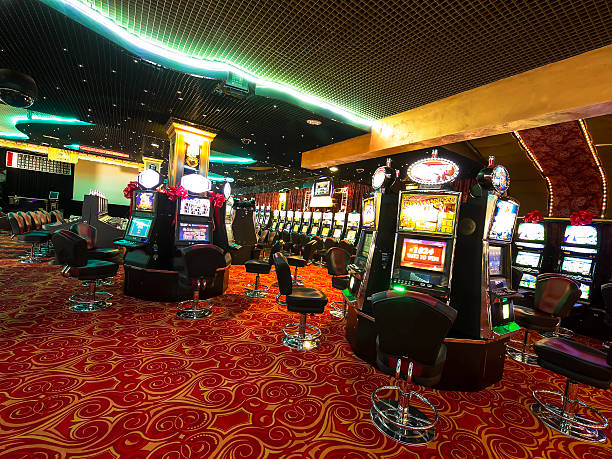
Modern casinos are designed to offer an immersive experience, combining entertainment, luxury, and excitement. The ambiance within these establishments plays a crucial role in attracting and retaining customers. Lavish decor, captivating lighting, and carefully curated layouts are all components that contribute to the overall atmosphere, making visitors feel engaged and entertained.
The design of casinos is often centered around creating a sense of excitement and anticipation. Large gaming floors filled with a wide variety of slot machines and table games entice players to explore. Additionally, many casinos offer a range of amenities, such as fine dining restaurants, theaters, and nightclubs, ensuring a comprehensive experience beyond just gambling.
Furthermore, the integration of technology within modern casinos has transformed how players engage with games. From electronic tables to virtual reality experiences, casinos are continuously innovating to enhance player interaction. This evolution highlights the importance of ambiance and design in creating a unique gambling experience that appeals to both traditional players and newcomers alike.
Embracing Online Gaming: A Case Study of 11Winner Casino
As the gambling landscape continues to evolve, online casinos like 11Winner Casino are leading the charge in providing an engaging gaming experience tailored specifically for diverse players. With a plethora of games ranging from local favorites to international hits, 11Winner ensures that players enjoy a comprehensive gaming experience. Generous bonuses, such as a 100% first deposit match and cashback offers, enhance the overall value for players.
11Winner Casino also supports transactions in Indian Rupees, catering to the needs of its target audience. This focus on user experience and accessibility makes the platform attractive not only to newcomers but also to seasoned players. The vibrant atmosphere and commitment to player satisfaction highlight the significance of providing a rewarding experience in the competitive online gambling market.
In conclusion, the historical journey of gambling from ancient rituals to modern casinos reflects the evolution of human interaction with chance and risk. Online platforms like 11Winner are emblematic of this ongoing evolution, ensuring that the thrill of gambling remains a vital part of entertainment in today’s digital age. As technology continues to advance, the possibilities for innovation within the gambling industry are limitless, promising an exciting future for players worldwide.

Recent Comments